
When is my yard waste collected?
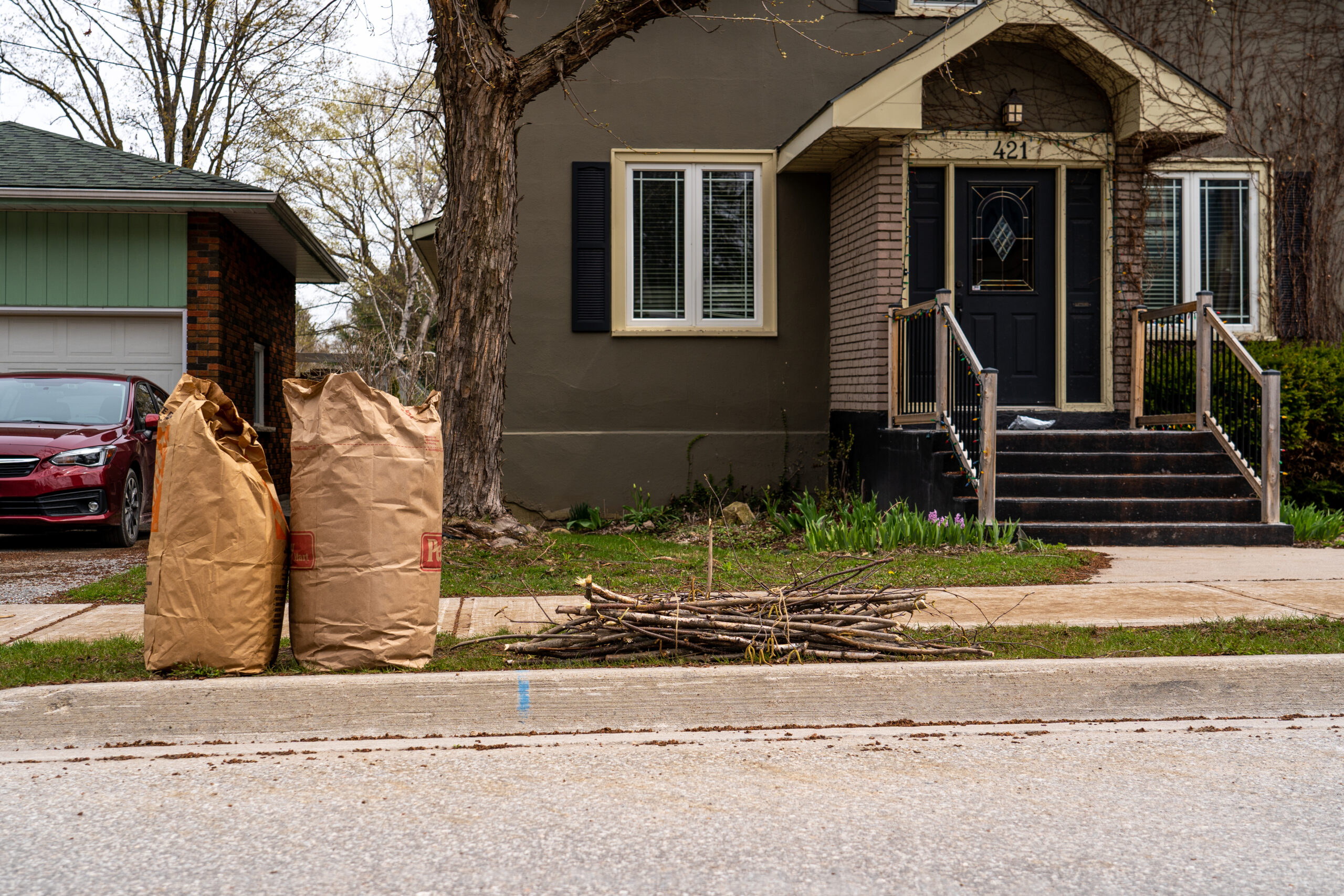
Yard waste is collected bi-weekly on designated weeks throughout the year. Material must be at the curb by Monday at 7 a.m. of your collection week. Collection will occur at some time during the week and does not necessarily coincide with your regular collection day.
Self-Manage
Managing your yard waste material at home, on your own property, can provide many benefits. Click below to learn more about grasscycling and mulching.
- is the practice of recycling grass clippings by leaving them on your lawn, allowing material to breakdown naturally
- leads to a deeper, healthier root system that increases your lawn’s resistance to disease, drought and insects
- reduces effort as it saves you having to bag them up for collection
- grass clippings are made up of 85% water so leaving them on your lawn reduces the need to water
- grass clippings will act as a natural fertilizer as they contain Nitrogen, Potassium and Phosphorus
- grass clippings decay quickly and disappear within a day or two
- for best results, keep the mower blade sharp or purchase a special mulching blade available at local hardware stores
- don’t cut more than one third of the grass blade and only mow when grass is dry
- is the practice leaving a thin layer of leaves of your lawn and running them over with your lawn mover
- mulching can benefit your lawn in many ways such as adding nutrients, retaining moisture and suppressing weed growth
- while not necessary, you can easily outfit a conventional lawn mower with a special mulching blade available at local hardware stores
- ensure that the leaves aren’t too thick, you may have to spread them out or rake up any excess leaves (to put in a backyard compost pile or bag for collection)
What materials are accepted?
- Leaves
- Grass
- Garden Waste
- Decorative cornstalks & straw bales
- Brush (must be bundled. See instructions below).
- Pet Waste
- Plastic (bags, dog toys)
- Sod, soil or sand
How Do I prepare my yard waste?
Yard waste can be placed in:
- Kraft paper yard waste bags
- Cardboard boxes
- Open-ended rigid containers
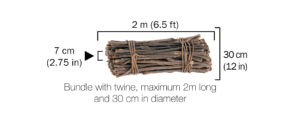
Brush must be bundled as follows:
- Secured with natural twine
- No larger than 2 meters in length and 30 cm in diameter
- Individual branches should not exceed 7 cm in diameter
- Do NOT put yard waste in your green cart.
- Yard waste may also be taken to County waste drop-off location during regular operating hours at no charge.
- There is a charge for brush. Click here for rates and more waste drop-off information.
- For curbside service, yard waste must be on a municipal road. In order to get yard waste collection on a seasonal or private road, residents may rely on a Common Collection Point (CCP).
- The County reserves the right to limit quantities.
Frequently asked questions
Solid Waste Management staff previously brought recommendations forward to Council (CCW 2023-307 and CCW 2024-143) with respect to leaf and yard waste collection, as the contract at that time, was to expire. This presented an opportunity to evaluate the need for changes such as additional weeks of yard waste collection between spring and fall. At that time, the price to maintain current service levels and remain status quo came with a 37% increase in current costs. Additionally, the cost to provide residents with continuous collection from spring through the fall saw a 107% increase in current costs. As a result of the Council approved recommendation, the County entered into a contract for leaf and yard waste services to remain status quo. Leaf and Yard waste service levels will be brought back to County Council for decision prior to procurement for the next collection contract (the current contract will end by 2030), unless other direction is received from County Council prior to this.
The quantity of yard waste collected curbside across all sixteen County of Simcoe municipalities during the summer months is significantly less than the spring and fall (approximately 600 tonnes per week during spring and fall vs. 200 tonnes per week during summer). This means trucks are travelling a great distance to service only a small portion of residents that place out little material. The current service level meets the needs of the majority of residents during peak times of the year. The County exceeds regulatory requirements by providing collection in the summer, during the month of July, when municipalities are only required to provide yard waste collection during the spring and fall.
Here are some alternatives to manage your own yard waste in between collections:
- Self-haul your material to a Waste Drop-off location *free of charge for residential,
- Self-manage material through mulching and/or grass cycling (click for more information), or
- Store material in a dry area, out of the elements, until your next collection
*with the exception of brush which fees apply to (click to view disposal fees)
Your leaf and yard waste material is processed into compost that is made available to residents annually for gardening purposes. This is why it is so important not to include contaminants that can pose a risk to the overall quality of the compost which is returned to the soil. Please do not include the following items in your leaf and yard waste bags or containers:
- Plastic items (such as flower pots, hoses, dog toys, single-use plastics)
- Wood (lumber)
- Metal
Click here to learn more about how our compost is made!